
Pirate Fishing APM Supply – Online Casino and Betting Guide
Interactive fishing games have introduced a distinctive form of entertainment within the broader online casino industry. Pirate Fishing apm supply explores pirate-themed arcade gameplay alongside sports wagering, digital slots, and traditional casino tables. Unlike conventional reel-based games, fishing entertainment involves moving targets, shooting controls, and participation costs that can change throughout a session. Understanding these mechanics helps readers distinguish possible rewards from actual financial returns. This guide examines underwater gameplay, treasure features, mathematical calculations, mobile gaming technology, payment transparency, and responsible participation without suggesting that any shooting technique guarantees profits.
Discover Pirate Fishing and Online Betting Entertainment

Digital gaming environments combine interactive arcade activities with sporting events and casino products. Pirate Fishing apm supply examines how their gameplay structures and financial conditions differ.
Pirate-Themed Worlds and Underwater Treasure Features
Pirate fishing games commonly feature animated ocean environments, treasure-themed graphics, and moving aquatic creatures.
Participants interact with targets using virtual cannons or other game-specific shooting mechanisms.
Different creatures may offer different reward values, depending on the rules of the individual title.
Some pirate-themed games introduce treasure chests, underwater obstacles, and special encounters that modify gameplay.
These features vary between products and should not be assumed to exist in every fishing game.
Pirate Fishing apm supply highlights the importance of checking official instructions before interpreting advertised rewards.
Visual effects can make gameplay more engaging, but they do not establish the likelihood of receiving a payout.
Cannon Systems and Special Arcade Challenges
Fishing arcade entertainment frequently incorporates adjustable shooting controls and different projectile settings.
Some titles allow players to change ammunition values, activate automatic firing, or interact with special targets.
Larger targets may display higher reward multipliers, although their capture conditions can differ substantially.
Special stages may introduce alternative scoring rules or additional participation requirements.
Pirate Fishing apm supply examines these elements to explain how shooting decisions can affect total expenditure.
Repeated actions can accumulate costs quickly when each projectile carries a monetary value.
Understanding participation expenses is therefore essential when comparing advertised rewards with actual financial outcomes.
Sports Betting and Traditional Casino Categories
Sports wagering involves predicting outcomes from football, basketball, tennis, cricket, and competitive esports.
Common sportsbook markets include Asian Handicap, Match Winner, Moneyline, and Over/Under.
Live betting prices may change as goals, injuries, substitutions, and other sporting developments occur.
Traditional casino entertainment includes Baccarat, Blackjack, Roulette, and Poker.
Baccarat compares Banker and Player outcomes, while Roulette determines results through numbered wheel pockets.
Digital slots use reel combinations, bonus symbols, and predetermined payout conditions.
Pirate Fishing apm supply distinguishes these activities through their different rules and probability systems.
No previous gaming result or sporting statistic guarantees future financial success.
Understand Arcade Rewards and Gaming Technology
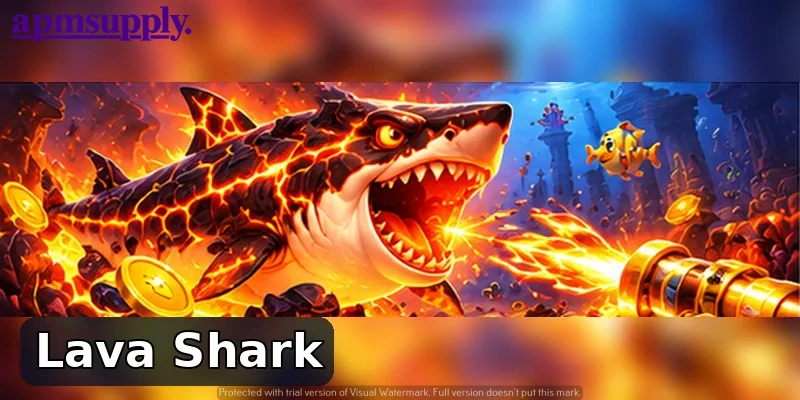
Fishing arcade games involve target values, participation expenses, and game-specific reward mechanisms. Pirate Fishing apm supply examines these features alongside digital performance and mathematical principles.
Projectile Costs and Session Expenditure
The financial result of a fishing session depends on total shooting expenses and qualifying rewards.
Some games assign different costs to projectiles according to the selected cannon setting.
For illustration, firing 80 shots costing $0.05 each creates an expenditure of $4.
If the same session produces $3 in rewards, the net financial result is a $1 loss.
Additional shots increase expenditure even when no targets are captured.
Pirate Fishing apm supply emphasizes that displayed reward values should not be confused with net profit.
Official game rules determine how shooting costs and successful captures are calculated.
Capture Mechanics and Reward Multipliers
Fishing games may use mathematical systems to determine successful captures and corresponding rewards.
Some automated casino products incorporate Random Number Generator technology, although implementation varies by title.
Reward multipliers describe possible payout relationships rather than the probability of capturing a target.
For example, a qualifying 25-times multiplier applied to a $0.20 reference amount produces a $5 reward.
However, obtaining that reward depends on the game’s specific qualifying conditions.
Pirate Fishing apm supply explains why higher multipliers should not automatically be interpreted as favorable opportunities.
Previous unsuccessful attempts do not guarantee that a valuable capture will occur next.
HTML5 Technology and Mobile Fishing Interfaces
Modern arcade entertainment often supports smartphones, tablets, and desktop computers.
HTML5 technology allows many interactive browser-based applications to function without outdated plugins.
Responsive layouts adjust shooting controls, game displays, and account menus to different screen dimensions.
Touchscreen responsiveness can affect usability when players interact with moving targets.
Clear interfaces should display ammunition values, available controls, and applicable reward conditions.
Stable connections and readable instructions are also important.
Pirate Fishing apm supply considers these technical factors relevant when evaluating digital gaming experiences.
However, professional graphics and smooth performance do not independently establish an operator’s licensing status.
Review Financial Security and Responsible Gambling

Real-money gaming may involve personal information, account balances, and financial transactions. Pirate Fishing apm supply examines the safeguards and policies readers should consider before participating.
Account Verification and Personal Data Protection
Gambling services may require contact details, identification documents, and payment information.
Know Your Customer procedures can support compliance with applicable regulatory obligations.
HTTPS encryption helps protect information during transmission, while multi-factor authentication provides additional account protection.
Users should examine privacy policies before submitting sensitive personal information.
Strong passwords and caution toward unfamiliar websites can reduce certain security threats.
Independent licensing verification remains essential because technical safeguards alone do not prove legal authorization.
Deposits, Withdrawals and Promotional Conditions
Transparent financial policies should explain available deposit methods, withdrawal procedures, processing periods, and transaction limits.
Some gambling operators advertise welcome bonuses, cashback incentives, and loyalty rewards.
These promotions may include wagering requirements, eligible-game restrictions, and expiration dates.
Pirate Fishing apm supply encourages readers to examine complete promotional terms before accepting advertised benefits.
Transaction histories can help monitor spending and identify unexpected account activity.
Promotional credits should not be confused with unrestricted withdrawable balances.
No bonus guarantees financial profit.
Spending Limits and Responsible Arcade Participation
Responsible gambling begins with recognizing that repeated shooting actions can accumulate financial costs.
Participants should establish affordable spending limits rather than rely on potential rewards to recover previous expenses.
Money required for housing, healthcare, education, and other essential needs should remain outside gambling budgets.
Monitoring session duration and projectile expenditure can improve financial awareness.
Automatic firing features may accelerate spending when participation costs apply to each shot.
Deposit restrictions, cooling-off periods, and self-exclusion programs provide additional safeguards where available.
Pirate Fishing apm supply emphasizes realistic expectations and responsible financial decisions.
Real-money participation must comply with applicable minimum legal age requirements and regional regulations.
Conclusion
Pirate Fishing apm supply provides an educational overview of pirate-themed arcade entertainment, online sportsbook markets, casino games, and digital gaming technology. Understanding cannon settings, shooting expenses, reward multipliers, account security, and payment conditions helps readers evaluate gambling services more carefully. Independent licensing verification, transparent financial policies, and responsible bankroll management remain essential safeguards. Regardless of the gaming format, no shooting method or betting strategy can guarantee consistent financial returns.